• Welcome!
  • An indelible role in our history
    • Historical Background, Influences
      • First Lithuanians in Springfield
      • Freedom and Assimilation
      • Divisions and Decline
      • The Mining Life
        • Honoring Central Illinois Mine Casualties
        • The Mine Wars
      • A Second Wave of Immigration: the ‘DPs’
      • Behind the Iron Curtain
      • “Singing Revolution”
        • “The Other Dream Team”
    • Lithuanian Historical Marker Dedication
      • Lithuanians in Springfield Historical Marker
      • A Time to Remember
      • Historical Marker Dedication Program
      • Photo Gallery
      • Marker ceremony noted in Shimkus newsletter
  • Elder Isolation is Elder Abuse
    • Open Letter to Ill. Gov. Pritzker, AG Raoul
    • Open Letter to Illinois Elder Abuse Task Force
  • Sandy’s Blog: News and Profiles
  • Voices of the “Third Wave”
    • Christmas Memories
    • Remembering January 1991
  • Springfield Lithuanian Families
    • Bakunas, Gestaut, Shadis, Petrokas, Chepulis
    • Local Lithuanians Prompt Newspaper Story
    • Stuches, Gillette, Cooper, Chesnut
    • Tisckos, Miller, Wisnosky
    • Treinis, Nevada, Yuskavich
    • Andruskevitch-Shoudis-Moser
      • Weddings
    • Baksys-Yamont
      • Singing Revolution Activities, U.S.
    • Banzin – Liutkus – Kellus – Gestautas
      • Memories
      • Trips to Lithuania and an appreciation of ancestry
    • Giedrys-Kudirka
    • Janners (Jankauskas), Gossrow
    • Kwedar, Olshevsky, Shupenus
    • Lelys, Lilles
      • 1970 Wedding, St. Vincent de Paul Church
    • Turasky, Yakst, Brazas, Stockus
    • Mankus-Tonila
      • Maria Fry Race & Tonilas
    • Zemaitis, Zubkus
    • Casper, Yanor, Walentukonis
    • Rackauskas immigration
    • Treinis-Banaitis
    • Bubnis, Guthrie, Walker
    • Grigsby, Dumbris
    • Missavich-Stankavich
    • Welch, Wilcauskis, Valentanovich
    • Stasukinas, Staken, Bubblis, Poskevicius
  • St. Vincent de Paul Lithuanian Catholic Church
    • St. Vincent de Paul murals resurface
    • Lithuanian Independence Day, 1950
    • People of the Church
    • People of the Church 2
    • People of the Church 3
    • People of the Church 4
    • Fr. Yunker College Scholars
      • Patricia Visnesky and Cynthia R. Baksys
      • Amanda Rackauskas Ross and Elaine (Manning) Kuhn
      • Barbara Blazis, John Dombroski, Patricia Naumovich, Mary Sitki
      • Diane D. Baksys and Emily Warren
  • Business & Professions
    • Journalist Matt Buedel
    • U.S. Senator Richard J. Durbin
    • Chernis: Midwest Demolition
    • Lobbyist “Limey” Nargelenas
      • Horace Mann CEO Marita Zuraitis
    • Nurse Joan Naumovich
    • Tony J. Yuscius, Advanced Digital Media
    • Business Writer Dan Naumovich
    • Teacher Elaine Kuhn
    • Power Co. Executive Maria Race
      • Pediatric Dentist Mary Ann Rackauskas
        • Nurse Debbie Ritter
    • Radio Host Sam Madonia
    • Turasky Meats
      • Tureskis Cleaners
  • The Lithuanian-American Club
    • Founding and Founders
    • Club Lobbies for Lithuanian Independence: Letter to President Bush
    • Recipes / Food
    • Travel

Lithuanians in Springfield, Illinois

Lithuanians in Springfield, Illinois

Monthly Archives: May 2014

Lithuanian Tavern Life

24 Saturday May 2014

Posted by sandyb52 in Sandy's Blog

≈ 13 Comments

Sam and Mary (Mankus) Lapinski (Lapinskas) behind the bar, 1935

Sam and Mary (Mankus) Lapinski (Lapinskas) behind the bar, 1935

Family-owned corner taverns where coal miners ate, drank and socialized proliferated throughout Springfield during the first half of the 20th Century. Keeping the tavern going was a family affair, with wives often doing the cooking and cleaning, and husbands, sons and sons-in-law tending bar. This leads me to believe that a goodly number were founded by formerly single miners after they married as a step up the economic ladder–and like the corner grocery store, a safer line of work. The tavern family usually lived behind, above, or next-door to their establishment.

The following local taverns, most now defunct, were owned by Lithuanian immigrants and/or their offspring: Lapinski’s (11th & Washington), Bernie Yanor’s and Jim Casper’s taverns (opposite corners of 11th at Peoria Rd.), (Kostie) Welch’s Tavern (11th and Laurel–later at 1827 Peoria Rd.), The (Rekesius) Welcome Inn (11th and Washington), Tony Romanowski (Antanas Ramanauskas)’s “The Railroad Tavern” at 1729 E. Reynolds, “Alby’s” (and Vera Stasukinas’) Tavern (14th & Carpenter), Bozis’s tavern on E. Mason, Enoch and William Blazis’s White City Tavern on E. Cook St., Carl Pokora’s tavern at 22nd St. and S. Grand Ave. East, The Lazy Lou at 1737 E. Moffatt, not far from Pillsbury Mill, which was owned by Frank W. and Mary (Gerula) Grinn–plus taverns owned by Walter Kerchowski (“Wally’s”), Nancy (Kensman Zakar Nevada) Treinis around 16th and Carpenter and Anna (Leschinsky) Kasawich on E. Reynolds St. I’m sure there were even more.
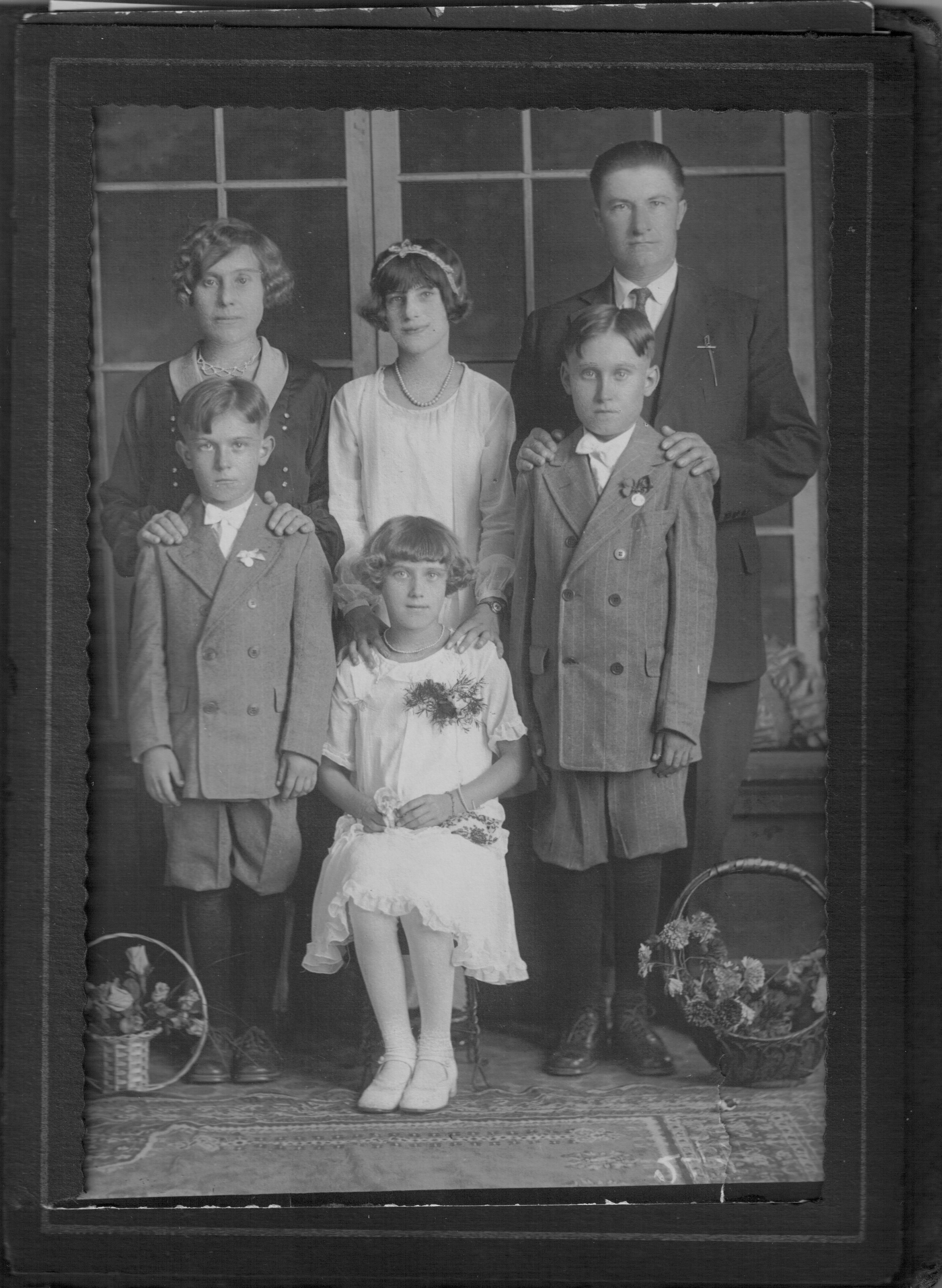
Back row, l to r: Antonia and Bernie Yanor, owners of Bernie's tavern, with daughter Josephine (Stankavich).  Front row, l to r: Yanor children  Joe, Anna (Carver), and Bernie, Jr. 1920s.

Back row, l to r: Antonia and Bernie Yanor, owners of Bernie’s tavern, with daughter Josephine (Stankavich). Front row, l to r: Yanor children Joe, Anna (Carver), and Bernie, Jr. 1920s.

Some taverns started out serving beer to miners in the early 1900s, then became grocery stores or soda fountains, exclusively, during 1920s Prohibition–then reverted to taverns again in the 1930s. The ancillary restaurant/grocery functions of taverns were perhaps not as important as their provision of alcohol, but many are still also remembered for their food. Fish dinners on Friday were extremely popular, due to a heavily Catholic customer base. An ad from 1956 for Alby’s Tavern mentions “Homemade Chili, Hamburgers, Hot Tamales and Cheese.” In 1940, Welch’s Tavern had chicken and potato salad dinners for 10 cents and boneless fish dinners for 5 cents.

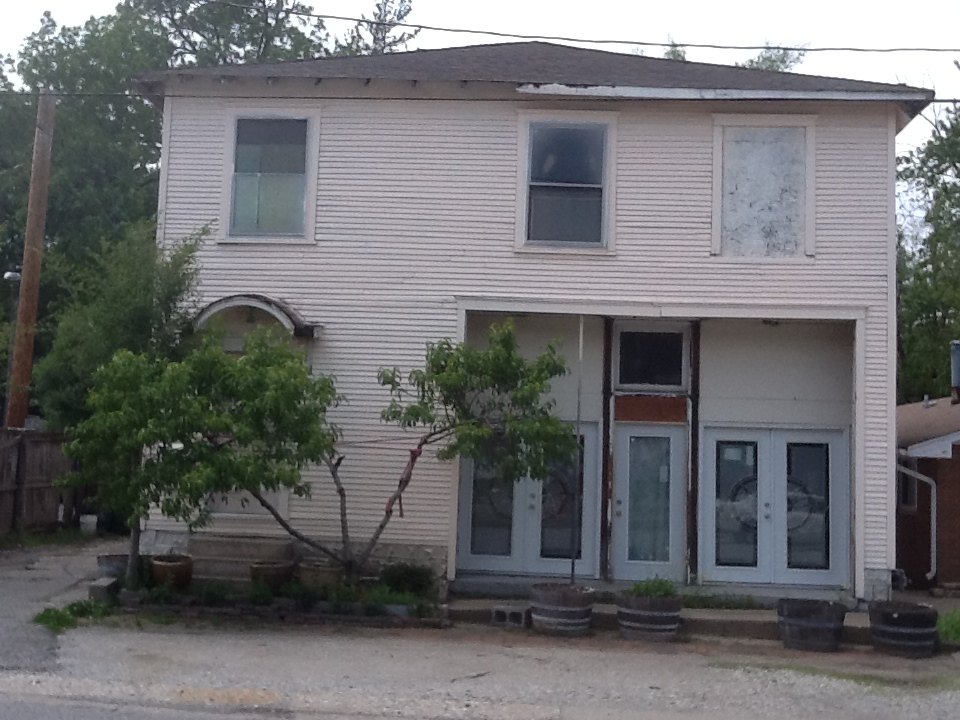
The Fairview as it is today, under different ownership

The Fairview as it is today, under different ownership

Over the decades, the basic tavern “hole in the wall” with food and drink evolved into the larger and more ambitious “supper club” that featured entertainment such as live music with dancing and a more extensive–and expensive–menu for sit-down dining, drawing customers from a wider area. One of the first of these was The Blue Danube, built on Keys Ave. by the Yates/Yacubasky family in 1933. Some of the best-known Lithuanian-owned supper clubs were The Cara-Sel Lounge (Tony Yuscius) on N. Grand Ave., the Skyrocket Inn (Kostie Welch) on Sangamon Ave. near the fairgrounds, The Fairview (Alex & Alice Palusinski) and Butch’s (Frank Gudauski’s) Steak House on Sangamon Ave. east of the fairgrounds, Boggens Grove (Harmony House?) on West Washington, (Stephen) Benya’s Supper Club in Nokomis, and the upscale Saddle Club (Joe Welch) at 307 S. 6th St., which was also a local newspaper watering hole.
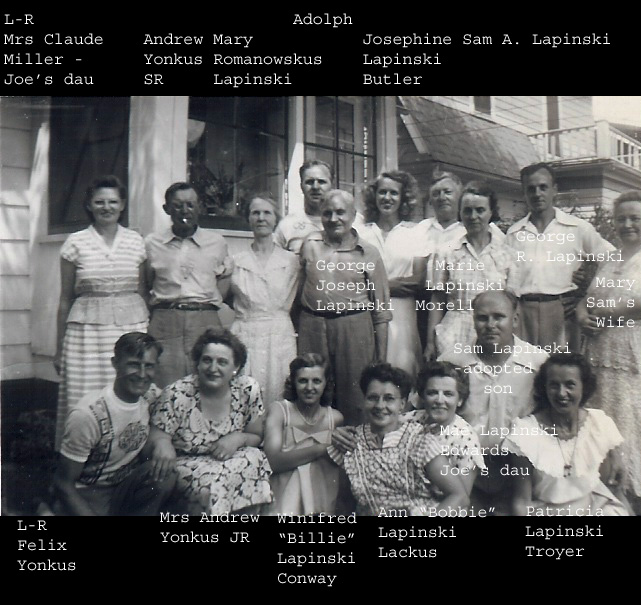
Lapinski family, 1940s?

Lapinski family, 1940s?

Taverns served an important, little-known function during the infamous “Mine Wars” 1932-35, when they were neighborhood “commissaries” for striking members of the Progressive Miners of America (PMA), storing and distributing food to hungry families. A Dec. 4, 1937 article in the Illinois State Journal describes character testimony given by Lithuanian-born tavern owner Sam (Simon) Lapinski in defense of Sam’s Lithuanian-American son-in-law Anthony Chunes, who was on trial in federal district court in Springfield for strike-related railroad sabotage. The article states that Anthony had been a bartender at Lapinski’s, and that the basement of the tavern functioned as a PMA commissary. Chunes was convicted and imprisoned in the 1937 mass trial of 36 PMA strikers, despite the testimony of his Lapinski wife Monica (they later divorced), father-in-law and mother-in-law. (Lithuanian-Americans Charles Mostaka and his son-in-law Joe Biernoski testified in defense of PMA miners Sam and Tony Profeta in the same mass trial.)
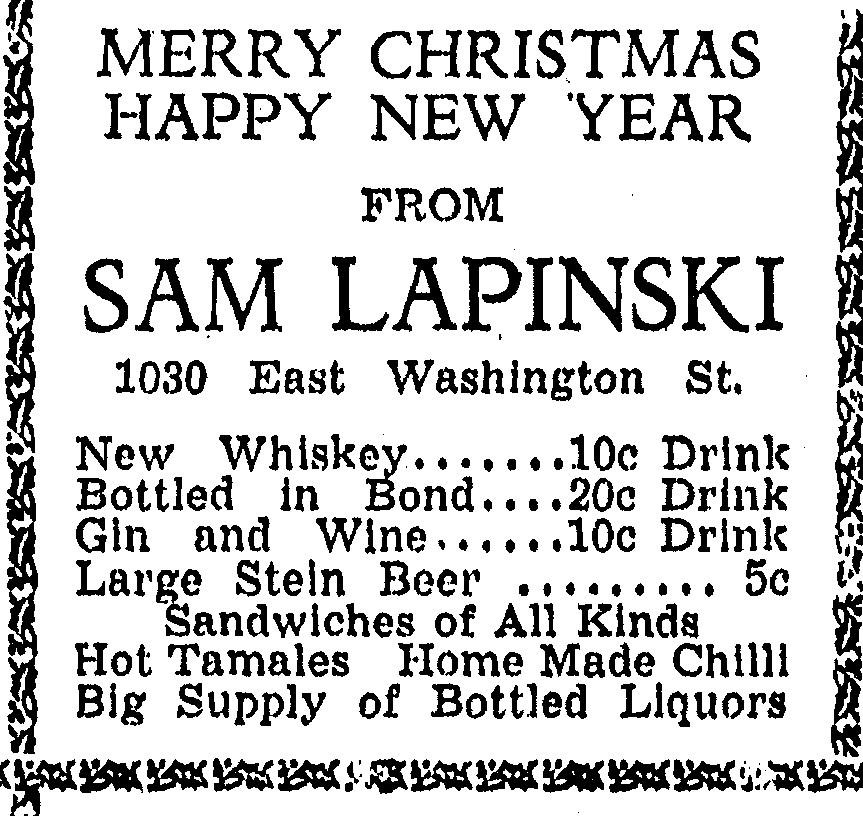
Lapinski ad

Distributed, as they were, throughout Springfield’s neighborhoods and built on an intimate scale, corner taverns were the neighborhood restaurants and entertainment centers of their time: an era when social life took place on the scale of the family and the neighborhood, and “people knew each other.” They were the familiar and common places for adult socializing, listening to juke box music, and playing pinball, shuffleboard, punch boards and slot machines. On the bad side, taverns presented a temptation to alcohol and gambling (both during and after gambling was legal) on every corner for those who could least afford it. To my knowledge, the potentially rougher side of tavern life made them generally off-limits for children at night.
Punch boards were a form of gambling in which a key was purchased and used to push in a circle on a board to see if there was a prize behind. During the height of the Depression, before gambling became illegal within Springfield’s city limits in 1939, even candy stores had punch boards with candy prizes for children. The price of the key was commensurate with the value of the potential prize.
One family of Lithuanian-American tavern-keepers was prominent in the business of distributing punch boards to taverns and social clubs throughout the county for decades, according to primary source and newspaper reports. In sensitivity to the illegal nature of the business in the city after 1939 and the county after 1948 (more of less), a descendant of that Lithuanian-American family has emphatically requested that I not write about the family’s great success in this aspect of the tavern business.
Therefore, I can only refer any interested readers to several articles in the Illinois State Journal. One, dated Oct. 21, 1948 gives the names of Sangamon County’s three main punch board suppliers according to a special grand jury report. Another, dated Sept. 6, 1963, describes gambling arrests related to a raid by authorities on a (non-Lithuanian-owned) tavern called The Press Box.  A March 12, 1964 Journal article describes an anonymous tip and police raid on a garage behind a Lithuanian-American tavern on Peoria Road that netted 5-10,000 punch boards and tip boards–and resulted in a family member’s arrest.
Growing up in a Tavern Family
N. 11th St. near Peoria Rd. building where Klim's Shoe Repair was located and Klim and Yanor-Carver families lived

N. 11th St. near Peoria Rd. building where Klim’s Shoe Repair was located and Klim and Yanor-Carver families lived

And now, for the perspective of a Lithuanian-American girl whose family was in the tavern business, we have the memories of Georgeann (Carver) Madison, granddaughter of Bernie and Antonia Yanor, owners of Bernie’s Tavern. In early childhood, Georgeann lived with her parents George and Ann (Yanor) Carver above Lithuanian immigrants Peter and Helen Klim’s Shoe Repair shop, next door to Klim’s son Jim Casper’s Tavern, and across the street from Bernie (Yanor)’s Tavern.
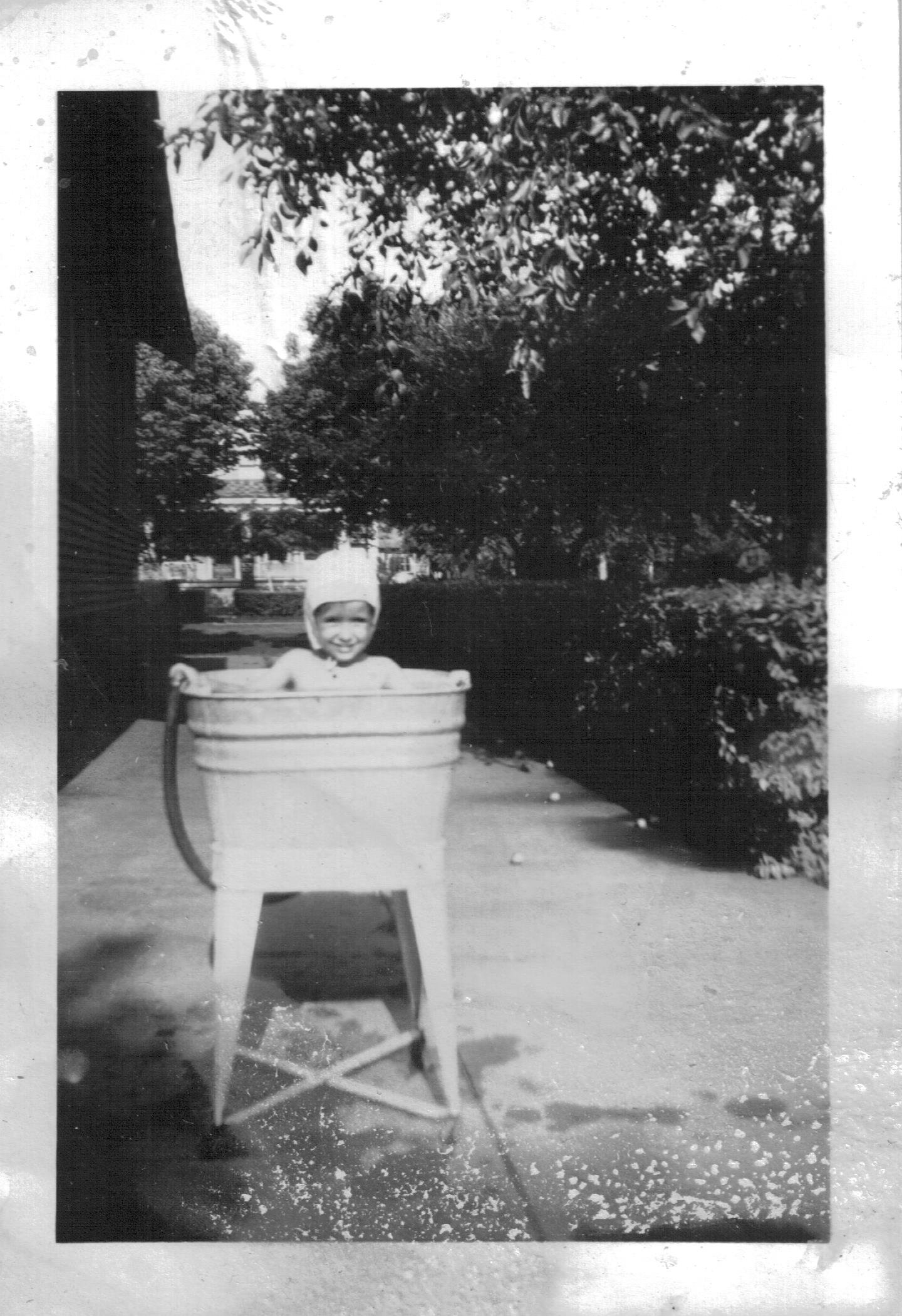
little Georgeann Carver (of the Yanor clan) in a home-made

little Georgeann Carver (of the Yanor clan) in a home-made “swimming pool,” 1940s.

Georgeann recalls: “My Uncle Bernie tended bar there and after school, I was allowed to sit at the end of the bar and watch “Pinkie Lee” on TV instead of practicing my piano lessons like my mother sent me across the street to do.” (Before TV ownership was common, television was another major draw of the corner tavern. In 1956, an Alby’s ad enticed customers to come in and “Enjoy Television Tonight”).

Georgeann continues: “My Uncle Bernie cooked the best cheeseburgers, tamales, chili and barbecues. He would make a cheeseburger for me even though my mom wanted me to eat dinner at home. Almost every time I was there, my grandfather would hand me a silver dollar out of his pocket. I would be at the tavern in the early evening before the coal miners came in from work at the mine on 11th Street.”

George and Anna (Yanor) Carver, baby Georgeann Carver (Madison), circa 1945

George and Anna (Yanor) Carver, baby Georgeann Carver (Madison), circa 1945

She also remembers that on Christmas Eve, Father Stanley Yunker, pastor of St. Vincent de Paul’s Lithuanian Catholic Church, would come to the Yanor living quarters at the tavern and distribute Holy Communion. “He would have a drink of whiskey or wine or two and some holiday food with the Yanor-Stankavich-Carver families.” (Georgeann’s beloved maternal aunt Josephine Yanor and husband Bill Stankavich lived across Peoria Rd., one block south on 11th St.)

Here are some additional memories from Georgeann, Sharon Darran, Chuck Tisckos, Ann Traeger, Scott Welsh, Joe Turasky, Frank Mazrim and Bill Cellini, Jr.:

Lapinski’s: Adolph Kelert and Sam Lapinski, Jr., also a Springfield policeman, ran the tavern after parents Sam (Simon) and Mary Lapinski retired. The St. Vincent de Paul Church choir used to go there for beers and fish dinners on Friday nights after choir practice. Constance Kelert, Adolph’s wife, was a talented soloist in the choir when she died suddenly at age 44 while attending a funeral in LaSalle. During the 1940s, customers would drive up, buy carp sandwiches and eat them in their cars.

Sam, Jr. and his wife had a house on Lake Springfield, and St. Vincent de Paul’s held its annual “didelis iškylą,” a.k.a. big picnic, there in the 1950s-60s, according to Chuck Tisckos. Simon (Sam, Sr.’)s brother Jurgis Josef Lapinskas was in Central Illinois for awhile, but his branch of the family moved to Michigan to find better jobs in the early 1920s.

Sam and Mary also rented apartments in the neighborhood, including above their tavern, to World War II Lithuanian displaced persons or “DPs,” including the Abramikas family.

The Fairview: Some of the St. Vincent de Paul choir members would go there for the fried chicken (half a chicken) special on Thursday nights. Alice Palusinski was the daughter of Lithuanian immigrants Kaston and Caroline Compardo Stockus. Ownership changed when the Palusinskis retired in the 1980s, and the establishment recently re-opened after a fire two years ago.

Bouser Viele also owned The Fairview in 1956, according to an ad in the St. Vincent de Paul Jubilee book.

The Saddle Club: Owned by Joe Welch (Wilcauskas) who also, at various times, owned the Capitol Food Market, Raydine Corp., Empire Hotel and Independent Novelty, Co., according to articles in the Illinois State Journal.

Also owned by Al Miles (Milkouskas?).

The Welcome Inn: Great 5-cent fish sandwich. Part of a three-lot property owned by immigrant John Frank Rekesius, Sr.

Boggens (Bogden’s) Grove (Harmony House): A huge establishment with music and dancing. Picnics were also held on the grounds.

Bernie’s: Antonia Yanor cleaned the tavern at night, but never entered the premises during operations. The Lithuanian-born daughter of Michael and Margaret (Shalunas) Razuskinas, Grandma Antonia was introverted and spoke only Lithuanian. Her son Bernie was affected by polio and never married. Son Joe was a welder and married Monica (Monty) Yanor, a long-time officer of the Springfield Lithuanian-American Club.

l to r: Monty (Monica) Yanor, Georgeann (Carver) Madison, Josephine (Yanor) Stankavich, 1962.

l to r: Monty (Monica) Yanor, Georgeann (Carver) Madison, Josephine (Yanor) Stankavich, 1962.

The Skyrocket: Opened in 1945 by Kostie Welch (Wilcauskas), the Skyrocket started with dancing on Sunday nights to the music of The Rocket Trio, and later featured dancing every night except Monday and “really good” steak dinners, according to one ad. (Starting in 1953, Bill Cellini, Sr. had gigs playing piano at the Skyrocket with his uncle’s band.) After Kostie Welch, the Skyrocket was owned by Ules Rose, whose daughter Barb married Charlie Foster, Jr., the son of Charles, Sr. and Ann Mosteika Foster, the long-time music director and organist at St. Vincent dePaul’s Church.

Peter Welsh bought the SkyRocket in 1963 from Ules Rose. All seven Welsh children and their mother Barbara worked in the bar at one time or another, and its position next to the Illinois State Fairgrounds attracted a cast of characters few places in town would see. According to son Scott Welsh, “It was an interesting education for all of us. The stories of the SkyRocket are legend, including visits from the Hell’s Angels, dignitaries hanging out late night, and many ‘disagreements’ between patrons handled with flying fists. My dad Pete ran a tight ship and was respected by most for not putting up with a lot of problems.”

The SkyRocket served food until the late 1960s, then only during Fair week, when Barbara Welsh ran the kitchen. Thornton Oil purchased the land in the early 1990′s.

The Blue Danube: Founded in 1933 by the Yacubasky/Yates family next to their grocery on Keys Ave. The tavern was managed by Joseph Yates, as his brother William presumably spent the majority of his time in Republican politics. The Blue Danube had a kitchen, a dance floor that was “well sanded and waxed,” and an ample area for tables and booths–but its claim to fame was its “magic bar.” One State Journal-Register writer described it as “electrically charged in such a way that when specially-treated glasses are placed on it, they are illuminated in many colors. This gives the appearance of nothing short of magic, and has proven a very popular source of entertainment.”

The Blue Danube’s motto was, “where courtesy prevails,” and it featured festive New Year’s parties and Sunday dinners of either roast young duck, fried, milk-fed spring chicken, T-bone steak, frog legs, breaded veal cutlet, or roast loin of pork with many different sides, including “Chinese” celery salad and lime and grapefruit salad, plus a full spread of desserts—all for just 65 cents. Also on the menu were “fancy mixed drinks, the finest of wines, liquors and beer, good music and dancing.”

The Yates’ were involved in protracted dispute with the City’s liquor board for allegedly operating without a liquor license, hosting dancing without a permit and serving alcohol after hours. They sold their supper club in 1938. (Please see my blog post on the political rise of the Adams and Yates families).

Bozis’s Tavern: Owned by Tony and Mae Bozis, who lived next to the tavern on E. Mason in a small brick bungalow. Several Lithuanians lived around there, and across the street on the corner, Tony’s mother owned a grocery store. Sharon Darran recalls going to a celebration at the tavern after a funeral, and being served the hot Lithuanian spiced honey and whiskey drink viditos, and lots of Lithuanian food. Tony was also a plumber with his brother John, who lived in Riverton. At Bozis’s, beer was served in glass jelly jars. They had a couch in the bar and Tony would lay on it and take a nap while his wife Mae did the bartending.

Casper’s: Still standing– now “Dude’s Saloon.” Helen Klim, mother of owner Jim Casper, used to make the best chili. Klim’s shoe repair was just north on 11th Street from the tavern, which was at the corner of Peoria Rd. and 11th St.

Alby’s: Alby Stasukinas, a former coal miner, was born in Springfield, the son of Joseph Adam and Rose Anna Poskevicius Stasukinas. The tavern served a chicken lunch.
Mother’s Day Pilgrimage

10 Saturday May 2014

Posted by sandyb52 in Sandy's Blog

≈ 4 Comments

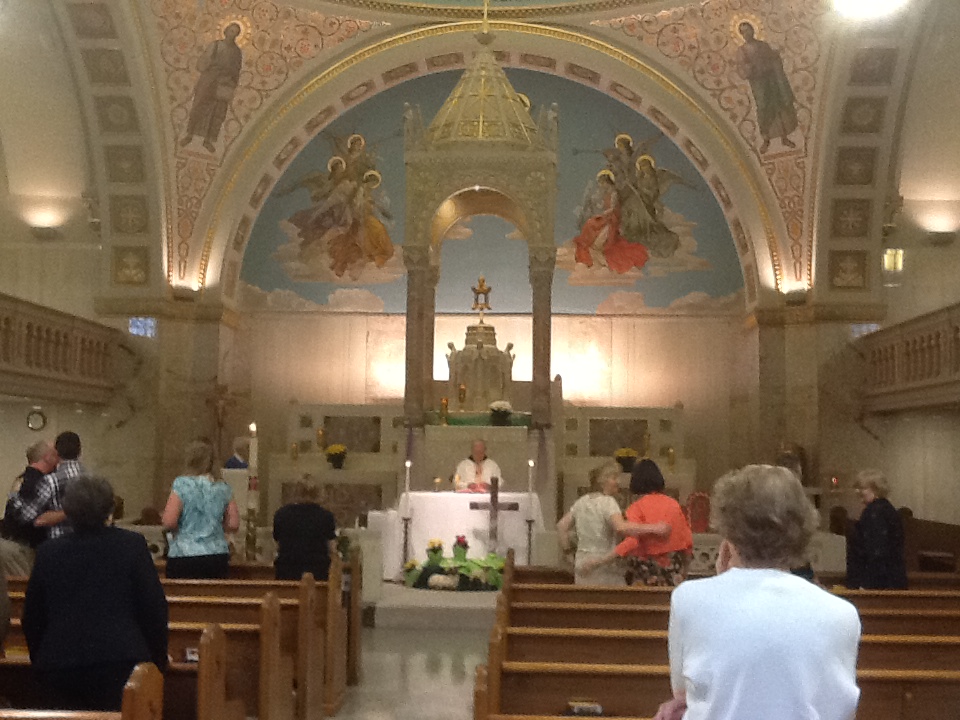
C. V. White memorial mass at Franciscan convent Adoration Chapel, Riverton

C. V. White memorial mass at Franciscan convent Adoration Chapel, Riverton

A Minnesota Lithuanian-American family with deep roots in Springfield returned this weekend to honor their mother and bury her ashes in Calvary Cemetery. John (Steve), Jim, Dave and Terri White, and their sisters Mary (White) Doberstein and Kathy (White) DeGrote, all traveled to Springfield to attend a memorial mass for their mom, Christina Virginia (Cooper) White Friday, May 9 at the St. Clare of Assisi Adoration Chapel at the St. Francis Convent near Riverton.

baby Catherine as an infant with her mother Anna Marie Stuches Gilletties, circa 1900.

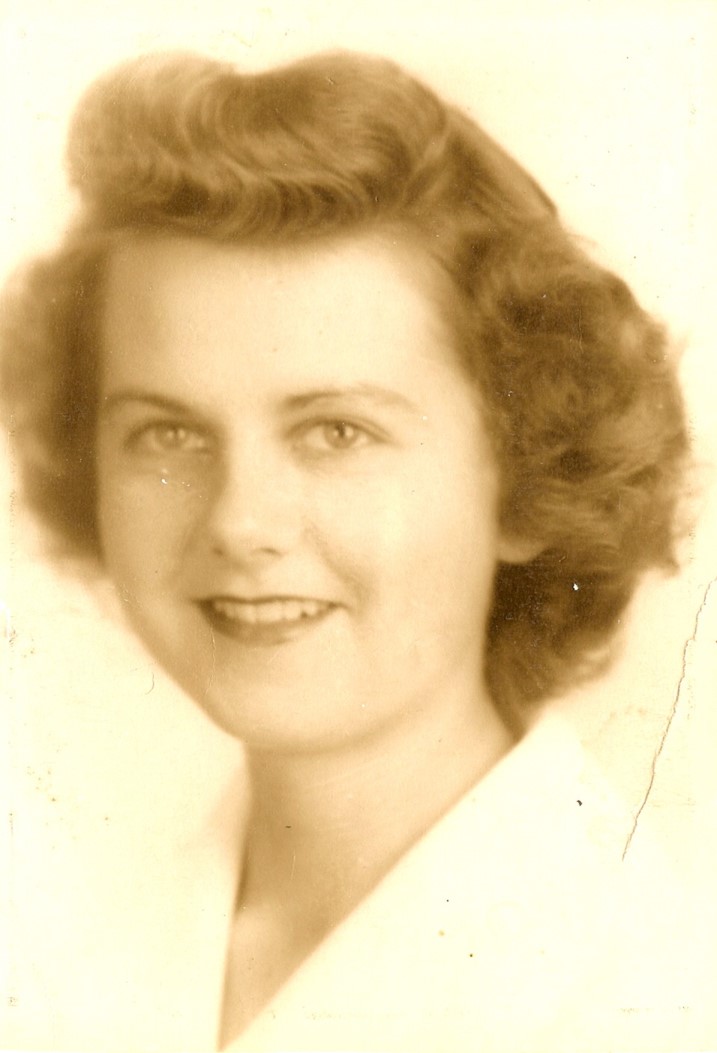
baby Christina Virginia (“Ginny”)  with her mother Catherine (Gillette) Cooper, circa 1920.

Ginny (Cooper) White died in 2012 at age 92 in Anoka, Minnesota, where she had lived with her dentist husband for many years. Known to her Minnesota friends as “Chris,” she was born in 1919 in Springfield to Anthony and Catherine (Gillette) Cooper. Ginny’s mother Catherine had been born in Cantrall in 1898 to Lithuanian immigrants Joseph Gilletties and Anna Marie (Smylus) Stuches. As the story goes, Anna (Ona) Stuches was disinherited by her wealthy family near Kaunas when she fell in love with her future husband, Joseph Gilletties, the family’s carriage driver. Thus, she became one of the few Lithuanian women forced into immigration and the harsh coal-mining life not by the poverty of her birth, but by love.

Christina Virginia Cooper as flower girl at Kasawich-Alane wedding, 1927.

“Ginny” Cooper as flower girl at Kasawich-Alane wedding, 1927.

Anna and Joseph were married in Liverpool, England in 1892, and their first child was born that same year. They immigrated to the U.S. in 1893, first to Kansas City, then the Springfield area. The couple’s union produced an amazing eight daughters and four sons who lived to adulthood, in addition to three boys who died in infancy.

Catherine Gillette Cooper

Catherine Gillette Cooper

According to Anna’s great-granddaughters Terri, Kathy and Mary, their great-grandmother preserved a little of her high birth and refinement even as a struggling immigrant by making sure her 12 children had impeccable table manners and all played a musical instrument. In fact, the Stuches-Gillette children, including Catherine Cooper, comprised something of a family band who brought music and dancing to the family’s home on special occasions.

Christina Virginia Cooper (White)

“Ginny” Cooper (White)

Catherine Gillette married Anthony Cooper ( Lith. Antanas Pikcilingis), born in Sapiskis, Lithuania in 1886, who had immigrated to the U.S. in 1905. Anthony worked as a liquor distributor, and Catherine as a skilled floral designer (an echo of her mother’s patrician past?) for Winch and Heimbracher Floral Designs of Springfield, often traveling to Chicago for special projects. Among her local honors were decoration for former President Herbert Hoover’s train when it stopped in Springfield and pinning an orchid on the visiting First Lady Eleanor Roosevelt. According to an undated newspaper clipping, while with the S.Y. Bloom Flower Shop in Chicago, Mrs. Cooper developed the bridal wrist bouquet and decorated the Ambassador East Hotel room of President Dwight D. Eisenhower. Very active in leadership roles with St. Vincent de Paul Lithuanian Catholic Church and the Knights of Lithuania, including singing in famed KOL choir and operettas, the Coopers had one daughter, Christina Virginia (“Ginny”), who grew up on East Phillips Street and reportedly always was dressed to the nines due to her status as a cherished only child—and the extra income from her mother’s employment. (The Cooper-White children remember visiting their grandmother Catherine’s house on East Phillips.)

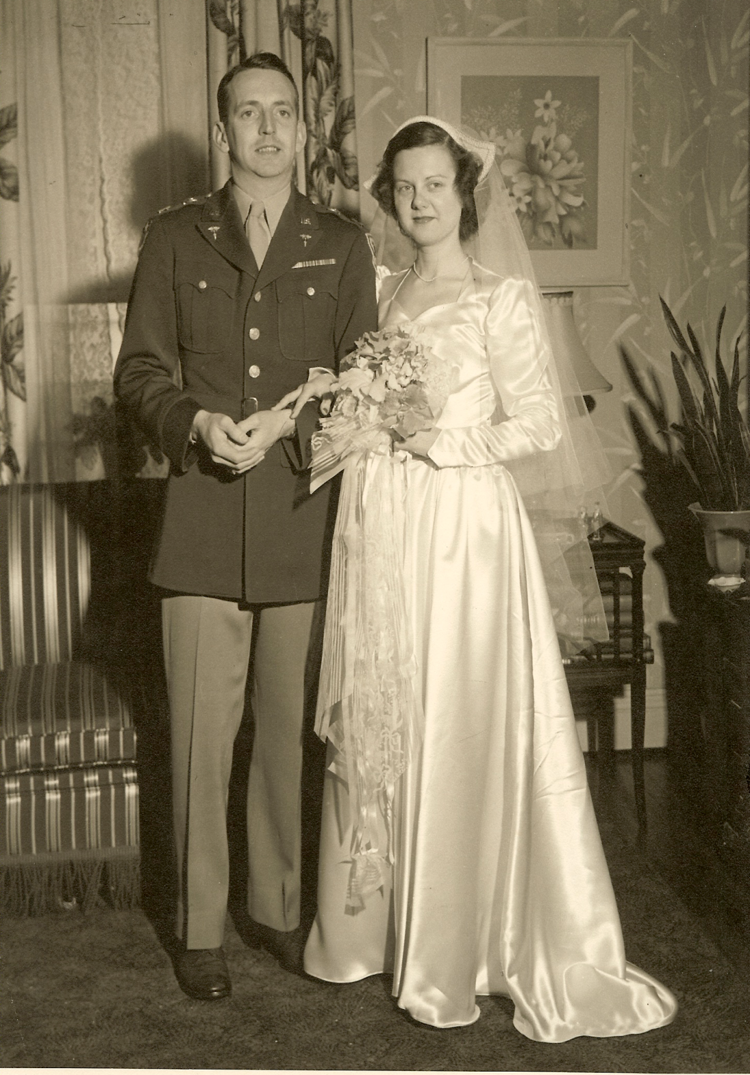
Christina Virginia Cooper and John White wedding, 1946

Ginny Cooper and John White wedding, 1946

Ginny attended St. Peter & Paul School, class of ’33, and was the first to receive a diploma in the first graduating class at Lanphier High School, class of ’37. She received a “full ride” college scholarship to St. Mary’s College (sister school to Notre Dame), but was unable to attend. Her mother was working in Chicago at the time, and asked Ginny to stay in Springfield to be near and take care of her father Anthony.

Later (1945), Ginny graduated from St. John’s College of Nursing in Springfield. She married John F. White D.D.S. in 1946 and raised seven children in Pipestone, St. Peter and Anoka, Minnesota. Since a four-year college degree was very important to her, after raising her children and ensuring their education, in 1981 Ginny finally realized her dream and earned a B.S. from the College of St. Francis.

She was past president of the Minnesota Southern District Women’s Dental Auxiliary, and her husband and son William preceded her in death.

Cooper-White family descendants and spouses Jim, Mary, Krista, John-Steve, Roberta, Kathy, Terri, Michael, and David at Calvary Cemetery with burial urn, May 9, 2014

Cooper-White family descendants and spouses Jim, Mary, Krista, John-Steve, Roberta, Kathy, Terri, Michael, and David at Calvary Cemetery with burial urn, May 9, 2014

I was touched by the Cooper-White children’s loving pilgrimage back to Springfield to bury their mother’s ashes, including the memories they shared with me during a luncheon at the Chesapeake Seafood House. What a special way to celebrate Mother’s Day, honoring their mother and their shared memories of her together as a family. How pleased she would have been to see her children all together in her old hometown.

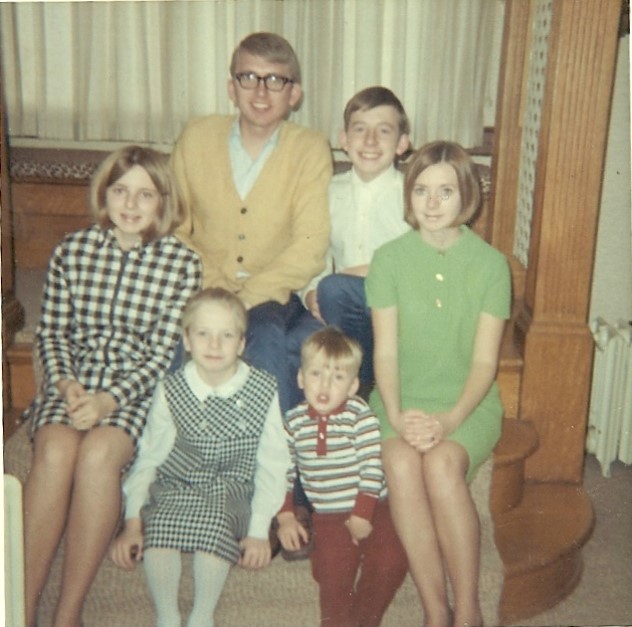
The Cooper-White children, circa 1968.

The Cooper-White children, circa 1968.

As a special note, the Anthony and Catherine Cooper grave, where their daughter Ginnie’s ashes were buried, is within 25 yards of stones bearing many other local Lithuanian family names: Bernotas, Kazokaitis, Yakst, Pazemetsky, Grigas, Gedman, Butkus, Bumpus, Usas, Jurkonis, Stankavich, and Klutnick.

Comedy Dance Man Joey Mack

03 Saturday May 2014

Posted by sandyb52 in Sandy's Blog

≈ 6 Comments

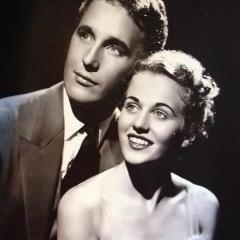
Jo and Joey Mack,  1940s

I write a lot about coal miners on this blog, but perhaps the most famous Lithuanian-American in Springfield in the 1940s was in show business: Joey Yanaitis (Janaitis or Jonaitis) Mack. Famous in Boston, Rockford, Cleveland, Augusta, Ga., and dozens of places in between, from the late 1930s through the 1940s, Joey was the male half of the traveling married vaudeville dance team of Betty Jo (Yanda Connors) and Joey Mack (billed as Jo and Joey Mack).

Joey and his wife Betty Jo made a significant contribution to entertainment in Springfield back when civic groups routinely put on amateur dance programs with sketches and costumes based on vaudeville and the silver screen.

In 1945, as their USO and vaudeville careers were winding down, Betty Jo gave birth to the couple’s son, Jerry. The family settled in Betty Jo’s hometown, Springfield, and Jo and Joey opened the Mack Professional School of Dance, first in the old Kerasotes Building downtown–where the school of Betty Jo’s instructor, Mildred Caskey, was located—then at Spring St. and South Grand Ave.

Mary Judith Johnson (Kraus) and her professional dance partner and brother Tom, late 1950s.

Mary Judith Johnson (Kraus) and her professional dance partner and brother Tom, late 1950s.

I visited the Mack dance studio on South Grand Ave. with my mother in 1966, just two years before it closed in 1968. Mary Judith Kraus, my own wonderful dance instructor who taught me on scholarship for 7 years, was one of several Springfield-area dance teachers who first studied or taught at the Mack school, including Jan Regan Burghart of Jan’s Dance Studio in Chatham.

Adopted into the Mack Brothers

Joey’s obit from 1995 reports that he was born in 1909 in Amsterdam, NY of Lithuanian immigrant Anthony Yanaitis and Sally (Snow) Yanaitis. His early days are shrouded in mystery, though Joey reported in a 1981 news story that he was 13 in upstate New York when Bobby Mack and his son Harold “took him in and gave him their name.” It’s unclear exactly when, but Joey joined a comedy and acrobatic vaudeville act called The Mack Brothers, and proceeded to perform not just at New York City’s biggest live-entertainment theatres, the Paramount, Palace, Hippodrome and Capitol, but also in London, France, Italy and Germany.

Joey Mack in 1981 Peoria Journal-Star photo

Joey Mack in 1981 Peoria Journal-Star photo

His 1981 newspaper interview reports that in his heyday, Joey shared stage billings with Judy Garland, Jack Benny, Chico Marx, Bette Davis, Buster Keaton, and Johnny Weismuller, among other leading lights known mainly on the vaudeville stage, not from movies. Joey even reportedly appeared in a dance routine in a movie called “Three Sailors on a Holiday.”

http://news.google.com/newspapers?nid=2209&dat=19810520&id=PqkrAAAAIBAJ&sjid=IP0FAAAAIBAJ&pg=7054,4417268

Other clippings I found in my research hinted at a gig with Alvin Feig as part of a Cleveland, Ohio “song and dance team” that included a jazz band—and before that, a stint with Wesley Barry’s “movie and stage act.” The fact that Joey played the violin, sometimes on the floor of the Illinois Senate in his last stint as the Senate’s sergeant-at-arms, and that his obit states he was a long-time member of the American Federation of Musicians, seems to support the Cleveland connection.

A Boxing Connection

One of my most interesting finds was a clipping referring to an International Amateur Boxing Tournament at the Chicago Stadium in Rockford in 1929, where a Joey Mack of NY defeated Ray Trumblie in a four-round middleweight bout by judges’ decision. All of this points to a fluid career for a “hoofer” with both musical and athletic gifts, and maybe not much education, from the Roaring ‘20s through the Great Depression, when survival, itself, for the son of an impoverished immigrant, was an entrepreneurial–if not an acrobatic–exercise.

In the days when running away to the circus was a real phenomenon, it’s possible that Joey Yanaitis was already tumbling/playing music/boxing/acting by the age of 13, when he met the Macks.

Even a brief background in boxing would have given Joey something in common with his future wife, Betty Jo Yanda Connors, a professional dancer (“chorus girl”) he met when they were both traveling separately on the vaudeville circuit in 1939. Betty Jo was the step-granddaughter of famous Springfield featherweight fighter, boxing promoter and Empire Hotel and Theatre owner Johnny Connors of North Fifth Street. (The architecturally interesting Connors house in Enos Park is currently being rehabbed after a fire in 2013).

Betty Jo came from a line of dancers. Her maternal grandfather, Aidan Moses McCann, won several prizes in local dance contests. Betty Jo’s mother Jerry McCann (Yanda) Connors, born in 1899, was a bathing beauty who appeared in “Yankee Doodle in Berlin,” a 1919 comedy/World War I propaganda silent film produced by Mack Sennett. Jerry toured for three years promoting that film and others–one starring Gloria Swanson. So, it’s no surprise daughter Betty Jo had the stage bug.

Joey Mack and Betty Jo Connors also had something else in common. Joey’s mother, whose re-married last name was Punibajas (sp?), ended up living in Springfield, Betty Jo’s hometown (though I’m unsure if that was before or after Joey and Betty Jo married).

“Knockabout Funsters”

Billed as “novelty entertainers,” a “madcap dance team,” “comedy knockabout dancers,” and “knockabout funsters,” Jo and Joey combined Betty Jo’s refined dance skills–some of them acquired at the famous Martha Graham school in New York–with Joey’s vaudevillian comedy acrobatics and pantomime. In the typical live-theater vaudeville style, their touring act often followed a “warm-up” burlesque show–exotic ladies of all descriptions. After the burlesque was over, band and singing acts and other comedy and dance routines like Jo and Joey Mack’s closed out the evening.

One description of their act is that Betty Jo would dance and Joey would “fall down a lot.” Another clipping refers to Joey’s hilarious pantomime of a woman getting dressed in the morning. Joey considered his comic impressions and mannerisms a core component of his tradecraft. Unfortunately, none of us will ever see any of Jo and Joey’s storied routines. It’s more regrettable, still, that not a single glossy publicity photo of Joey or his wife survive in the Sangamon Valley Collection to grace this blog.

Jo & Joey Mack dance school program, Springfield High School, 1958.

Jo & Joey Mack dance school program, Springfield High School, 1958.

Mack Enterprises

At the peak of their Springfield careers in 1956, “Mack Enterprises” included Springfield, Taylorville, and Southern View dance studios, a dance accessory store and a costume manufacturing business, as well as a professional troupe of actors and dancers. While running their dance school, Betty Jo also worked as a women’s physical education instructor at Springfield College, Joey made and repaired violins and wrote comedy scripts for old show business friends, and the couple occasionally performed a traveling act that included their young son, Jerry. I can’t imagine juggling that much, but Jo and Joey were from a different time, and they were nothing if not “fleet of feet.”

Thanks to Chuck Tisckos of St. Charles, MO, for inspiring and helping with this post. To read more about Jo and Joey Mack in Springfield, some of their famous local students, and how dance-entertainment culture evolved here through the early TV age, please look for my next post.

Blogroll

  • Enos Park Neighborhood Improvement Association
  • Illinois State Historical Society

Lithuanian Websites

  • Amber Reunion
  • Lithuanian World Center
  • Lithuanian-American Club of Central Illinois
  • Lithuanian-American Community, Inc.
  • Lithuanian-American Publications
  • Lithuanians Of Arizona
  • LTnews.net
  • LTUWorld
  • The Lithuania Tribune

St. Vincent’s murals resurface

Two of the murals from St. Vincent de Paul's Catholic Church have resurfaced. Take a look!

Search

Enter your email address to follow this blog and receive notifications of new posts by email.

Join 142 other subscribers

E-mail us!

Questions or comments? Please e-mail sandybaksys@gmail.com.

Email us!

Questions or comments? Please e-mail sandybaksys@gmail.com.

Blog at WordPress.com.

Privacy & Cookies: This site uses cookies. By continuing to use this website, you agree to their use.
To find out more, including how to control cookies, see here: Cookie Policy
  • Subscribe Subscribed
    • Lithuanians in Springfield, Illinois
    • Join 142 other subscribers
    • Already have a WordPress.com account? Log in now.
    • Lithuanians in Springfield, Illinois
    • Subscribe Subscribed
    • Sign up
    • Log in
    • Report this content
    • View site in Reader
    • Manage subscriptions
    • Collapse this bar
 

Loading Comments...